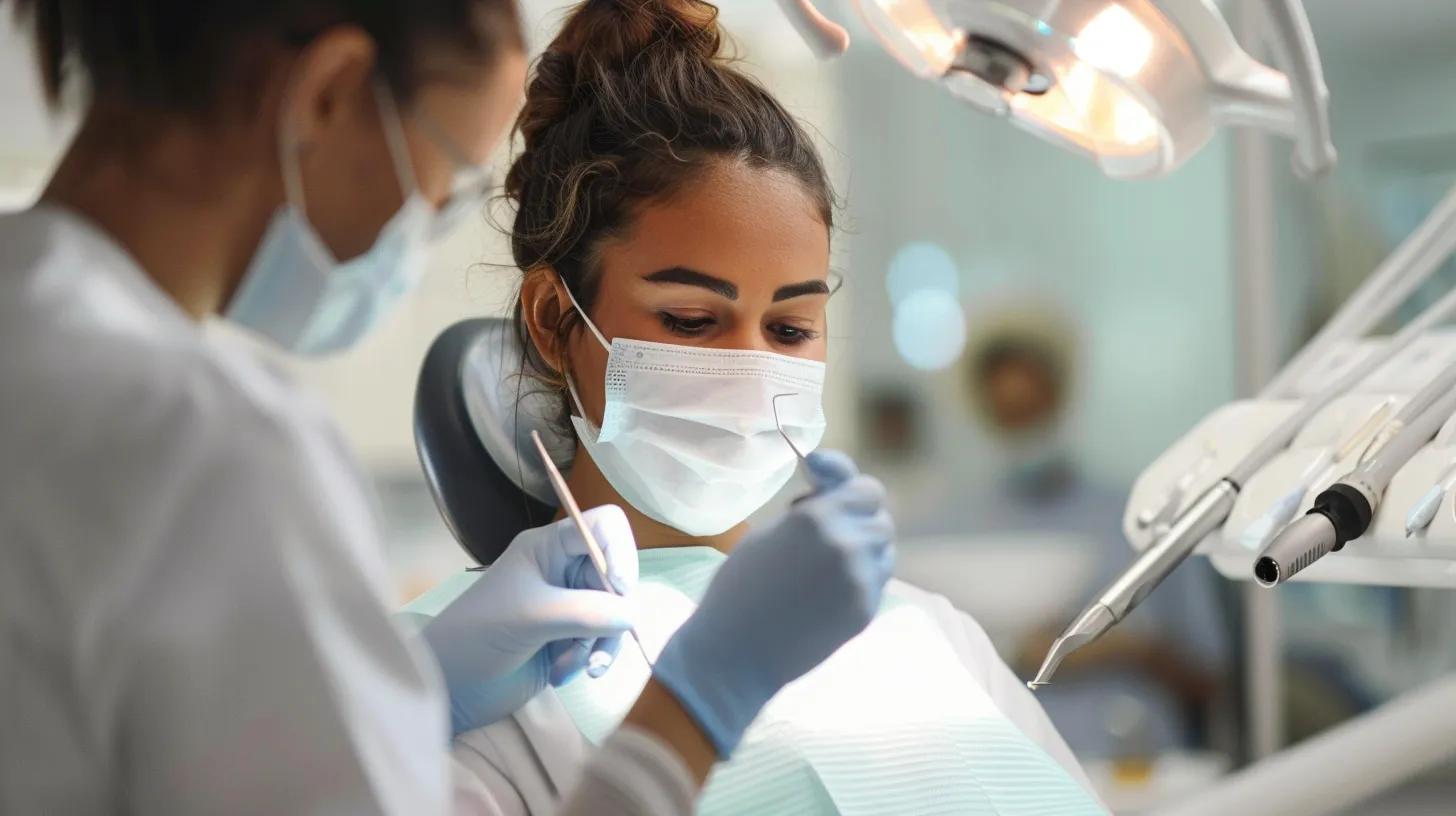
Coronal Polishing and Sealants Certification Course
Coronal Polishing and Sealants Certification Course: Comprehensive Training for Dental Assistants and Hygienists

The Coronal Polishing and Sealants Certification Course is an essential program designed for dental assistants and hygienists seeking to enhance their skills and credentials in the dental field. This course provides comprehensive training on coronal polishing techniques and sealant application, which are critical for maintaining optimal oral health. Participants will learn the importance of certification, the steps to achieve it, and the best practices in these procedures. Many dental professionals face challenges in staying updated with the latest techniques and compliance requirements. This course offers a structured solution, ensuring that participants are well-prepared to meet industry standards. The following sections will delve into the specifics of the certification, the techniques involved, and the career benefits associated with obtaining this certification.
The development of comprehensive training programs for dental auxiliaries has been a subject of study for decades, ensuring that educational institutions can effectively meet industry needs.
Designing Dental Hygienist & Assistant Training Programs
This report provides background information needed for a determination of the feasibility of establishing a program to train dental hygienists and dental assistants at Luzerne County Community College, and presents data needed to design such a program in a comprehensive community college.
Feasibility Study for the Establishment of a Dental Auxiliary Education Program., 1974
What is Coronal Polishing and Sealants Certification?
Coronal polishing and sealants certification is a specialized credential that validates a dental professional's ability to perform coronal polishing and apply dental sealants effectively. This certification is crucial as it ensures that dental assistants and hygienists are equipped with the necessary skills to enhance patient care and maintain compliance with state regulations where applicable. The training encompasses both theoretical knowledge and practical skills, making it a comprehensive educational experience.
Definition and Importance of Dental Polishing Certification
Dental polishing certification is vital for dental professionals as it demonstrates compliance with state regulations where required and enhances clinical skills. This certification not only improves job opportunities but also instills confidence in patients regarding the quality of care they receive. By obtaining this certification, dental assistants and hygienists can significantly elevate their professional standing and contribute to better patient outcomes.
Overview of Sealant Application Training and Credentials
Sealant application training is an integral part of the certification process, focusing on the eligibility requirements and training components necessary for certification. Participants will learn about the various types of sealants, the application techniques, and the importance of maintaining a sterile environment during the procedure. This training ensures that dental professionals are well-prepared to provide effective sealant applications, which are essential for preventing cavities primarily in children but also beneficial for adults.
How Do You Become Certified in Coronal Polishing and Sealants?
Becoming certified in coronal polishing and sealants involves several steps, including meeting eligibility requirements, enrolling in a state-approved or accredited course, and successfully completing the necessary training and assessments. This structured approach ensures that candidates are thoroughly prepared for the certification exam and can demonstrate their competency in these essential dental procedures.
Certification Requirements and Prerequisites for Dental Assistants
To become certified, dental assistants must meet specific prerequisites, including a minimum level of education and experience in the dental field. Typically, candidates are required to have completed a dental assisting program and possess hands-on experience in a clinical setting. Additionally, they must comply with state regulations regarding certification, which vary by location and in some states may not require formal certification for coronal polishing.
Further details on the specific pathways and requirements for dental assistant certification are often outlined by state regulations and professional bodies.
Dental Assistant & Hygienist Certification Requirements
Dental assistants can take the license test after completing a training course of 9~11 months to obtain a dental assistant certification. Additional expanded work typically requires passing state qualification tests, completing a training program, obtaining a degree, or gaining clinical experience for a certain period of time, depending on the state
Dental Assistant and Dental Hygienist-comparison with US, 2023
Step-by-Step Guide to the Sealants Certification Exam
The sealants certification exam is designed to assess the knowledge and skills acquired during the training program. Candidates can prepare for the exam by reviewing the course materials, practicing the techniques learned, and understanding the exam structure. Key preparation tips include familiarizing oneself with the types of questions that may be asked and ensuring a thorough understanding of the sealant application process.
What Are the Key Techniques and Best Practices in Coronal Polishing?
Understanding the key techniques and best practices in coronal polishing is essential for ensuring safety and effectiveness during the procedure. This section will explore the various methods used in coronal polishing, emphasizing the importance of proper technique and equipment mastery.
Detailed Coronal Polishing Techniques for Safety and Effectiveness
Effective coronal polishing techniques involve the use of a slow-speed handpiece and a prophy cup, which are essential tools for achieving optimal results. Dental professionals must be trained in the correct use of these instruments to ensure patient safety and comfort. Additionally, understanding the different types of stains and how to address them is crucial for successful polishing outcomes.
Common Safety Protocols and Precautions During Polishing
Safety protocols during coronal polishing include the use of personal protective equipment (PPE) and adherence to infection control standards. Dental professionals must ensure that all equipment is properly sterilized and that they follow established guidelines to minimize the risk of cross-contamination. Proper handling of the equipment and maintaining a clean working environment are also critical components of safe polishing practices.
How is Sealant Application Performed Safely and Effectively?
Sealant application is a vital procedure in preventive dentistry, requiring specific techniques and adherence to industry standards. This section will outline the procedures involved in sealant application and the safety measures that must be followed.
Sealant Application Procedures and Industry Standards
The sealant application process involves several key steps, including tooth preparation, sealant placement, and curing. Dental professionals must be familiar with the materials used and the proper techniques to ensure effective sealant adhesion. Compliance with industry standards and state regulations is essential to guarantee the longevity and effectiveness of the sealants applied.
Research consistently highlights the effectiveness of proper sealant application by trained professionals in preventing dental caries.
Dental Sealant Application Techniques & Professional Training
The increasing interest in materials and application techniques, sealant usage has been increasing. The use of resin sealants placed by appropriately trained dental professionals has been shown to be effective in preventing dental caries.
Dental sealants guidelines development: 2002-2014, JJ Crall, 2002
Safety Measures and Compliance in Sealant Training
Safety measures during sealant training include understanding the materials used and ensuring that all procedures comply with state regulations. Training programs should cover the importance of maintaining a sterile environment and the proper handling of sealant materials to prevent any adverse reactions in patients.
What Career Benefits Does Certification in Dental Polishing and Sealants Offer?
Obtaining certification in coronal polishing and sealants can significantly enhance a dental professional's career prospects. This section will explore the various advancement opportunities available to certified dental assistants and hygienists.
Advancement Opportunities for Certified Dental Assistants
Certified dental assistants have access to a range of advancement opportunities, including roles in specialized dental practices and leadership positions within dental teams. The certification demonstrates a commitment to ongoing education and professional development, making certified individuals more attractive to potential employers. Additionally, certified professionals may have the opportunity to pursue further education in related fields, such as dental hygiene or dental therapy.
Employer Preferences and Industry Demand for Certified Professionals
Employers increasingly prefer certified dental professionals due to the enhanced skills and knowledge they bring to the practice. The demand for certified dental assistants and hygienists is on the rise, as more dental practices recognize the value of having trained staff who can provide high-quality patient care. This trend highlights the importance of certification in maintaining a competitive edge in the job market.
What Continuing Education and Recertification Options Are Available?
Continuing education and recertification are essential for dental professionals to stay updated on the latest techniques and industry standards. This section will outline the ongoing training requirements and resources available for dental professionals.
Ongoing Training and Recertification Requirements
Dental professionals are typically required to complete ongoing training and recertification to maintain their certification status where such certifications are mandated. This may include attending workshops, completing online courses, and participating in hands-on training sessions. Staying current with the latest advancements in dental technology and techniques is crucial for providing the best patient care.
Resources for Staying Updated on Certification Standards
Various resources are available for dental professionals seeking to stay informed about certification standards and continuing education opportunities. Organizations such as Dental AssistEd provide valuable information and training programs designed to help dental assistants and hygienists maintain their certification and enhance their skills. Engaging with professional networks and attending industry conferences can also provide insights into the latest trends and best practices in dental care.
