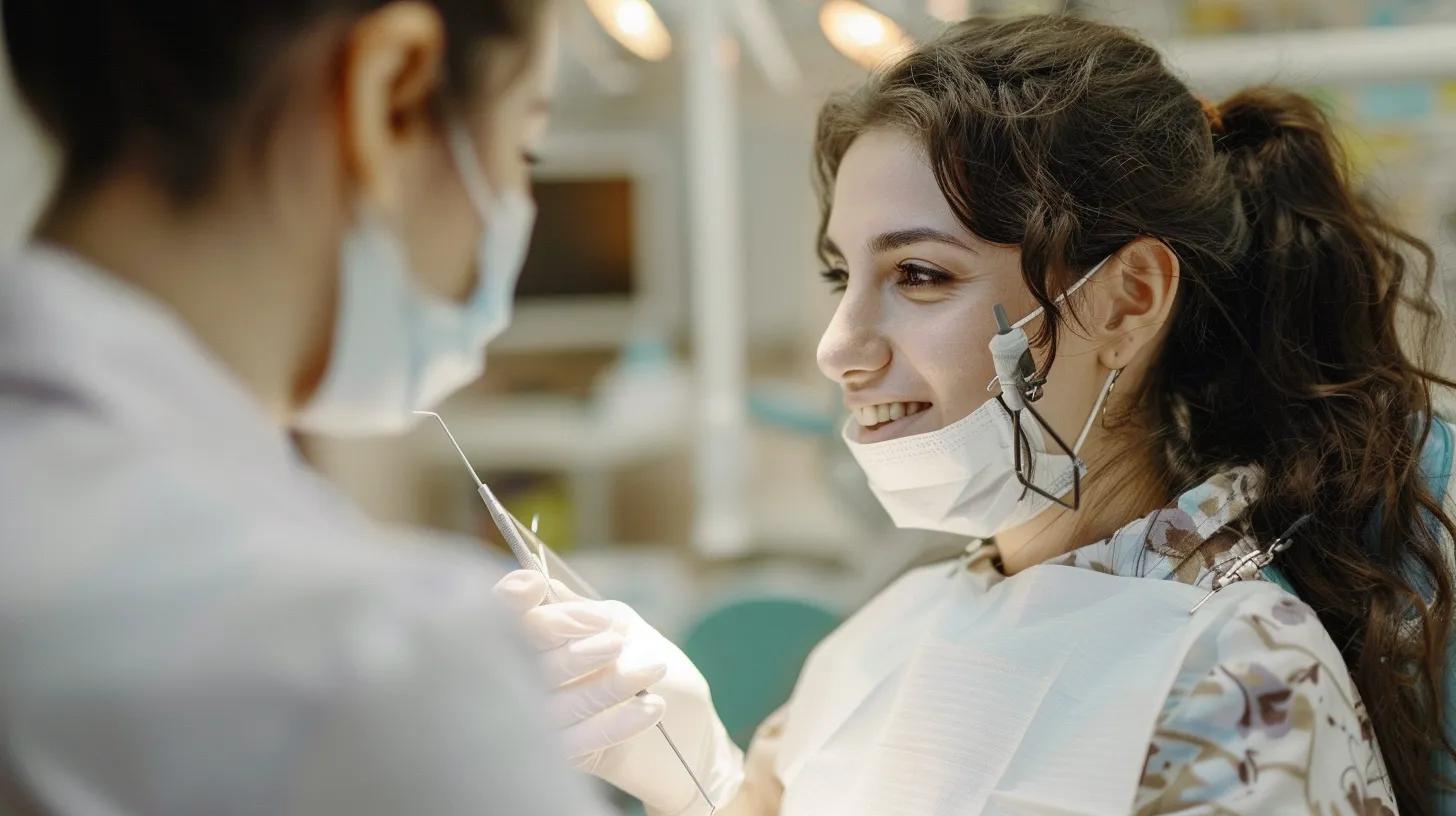
Coronal Polishing and Sealants Placement
Coronal polishing and sealant placement are essential procedures in preventive dentistry that significantly enhance dental hygiene and protect tooth enamel. Coronal polishing is the technique used to remove plaque and stains from the coronal surfaces of the teeth, the visible portion above the gum line, using a rotating rubber cup or brush with a mildly abrasive polishing paste. Sealants, by contrast, are a thin protective coating applied to the chewing surfaces of teeth to guard against cavities.
This guide covers how each procedure works, their combined benefits, and best practices for post-procedure care, along with the certification path for dental assistants who want to legally perform coronal polishing themselves.
What Is Coronal Polishing and How Does It Enhance Dental Hygiene?
Coronal polishing is a dental procedure designed to remove plaque, stains, and debris from the coronal surfaces of teeth (the portion of the tooth above the gum line). The process creates a smooth tooth surface that is less prone to plaque accumulation, which helps prevent the development of cavities and gum disease over time.
Coronal Polishing Steps
The technique generally follows these steps:
Assessment: The dental professional examines the teeth to identify plaque, stains, and areas needing attention.
Isolation and preparation: The tooth surface is isolated and prepared for polishing.
Application of polishing paste: A mildly abrasive polishing paste (without fluoride) is applied to a rotating rubber cup or brush attached to a dental handpiece.
Polishing: The handpiece is moved across the coronal surfaces at a moderate speed, removing plaque and extrinsic stains.
Rinsing and inspection: The teeth are rinsed clean, and the surfaces are inspected to confirm plaque and stains have been fully removed.
How Does Coronal Polishing Remove Dental Plaque Effectively?
The combination of mechanical action from the rotating cup and the mild abrasives in the polishing paste dislodges and eliminates plaque and stains from the tooth surface. The smoother surface left behind also makes it more difficult for plaque to reattach, supporting better oral hygiene between visits.
What Are the Benefits and Risks of Coronal Polishing Procedures?
Coronal polishing offers several benefits, including improved aesthetics, enhanced oral hygiene, and the prevention of dental issues. The procedure removes unsightly extrinsic stains caused by food, beverages, or tobacco, resulting in a brighter smile, while reduced plaque buildup lowers the risk of cavities and gum disease. That said, there are potential risks, such as tooth sensitivity or damage to existing dental work, if the procedure is performed incorrectly or too frequently. This is exactly why coronal polishing is a certified expanded function rather than something performed without training.
How Are Dental Sealants Applied to Protect Tooth Enamel?
Dental sealants are a preventive treatment designed to protect the chewing surfaces of teeth, particularly molars and premolars, from decay. Sealants are thin, plastic coatings applied to the grooves and pits of teeth, creating a barrier that prevents food particles and bacteria from accumulating. This protective layer is especially beneficial for children and adolescents, who are more susceptible to cavities, though adults with deep grooves can benefit as well.
What Are the Step-by-Step Procedures for Sealant Placement?
Sealant placement follows a straightforward process:
Preparation: The tooth surface is cleaned and dried to ensure proper adhesion.
Etching: An acid etch is applied to the enamel surface to roughen it microscopically, improving sealant bonding.
Application: The sealant material is applied to the grooves and pits of the tooth.
Curing: A special light (usually a blue LED curing light) is used to harden the sealant, ensuring it bonds securely to the tooth surface.
Final check: The dentist or qualified assistant checks the sealant for proper placement and makes any necessary adjustments.
This process typically takes only a few minutes per tooth and can provide long-lasting protection against cavities.
Which Sealant Materials Are Most Effective for Teeth Protection?
Resin-based sealants are the most commonly used option due to their strength and durability under normal chewing forces. Glass ionomer sealants are another option, particularly useful when moisture control is difficult, since they release fluoride that provides additional protection by strengthening tooth enamel. Fluoride varnish is not a sealant itself but is sometimes used as an adjunct preventive measure. The right material depends on the patient's age, dental health, and specific needs.
Clinical research comparing the two most common materials has generally found that resin-based sealants have somewhat higher retention rates than glass ionomer sealants over time, while glass ionomer options offer the added benefit of fluoride release. As with most preventive procedures, material choice should be made case by case with a dental professional.
What Are the Combined Benefits of Coronal Polishing and Sealant Placement?
Combining coronal polishing with sealant placement offers enhanced benefits for dental health. The polishing process prepares the tooth surface by removing plaque and stains, ensuring that sealants adhere more effectively. This synergy not only improves the longevity of the sealants but also maximizes their protective capabilities against decay.
How Does Polishing Improve Sealant Adhesion and Longevity?
Polishing the tooth surface before sealant application creates a smoother, cleaner area for the sealant to bond to. Some research suggests this may improve sealant retention, though the evidence is mixed, and the necessity of polishing before every sealant placement is still debated among dental professionals. In practice, many providers evaluate this on a patient-by-patient basis.
What Clinical Considerations Should Be Taken Into Account?
When combining coronal polishing and sealant placement, dental professionals consider the patient's overall dental health, any existing restorations, and the timing of the two procedures. Tailoring the approach to each patient's unique situation helps ensure optimal outcomes.
How Should Patients Maintain Dental Hygiene After Polishing and Sealant Procedures?
Post-procedure care is vital for maintaining the benefits of coronal polishing and sealant placement.
What Are the Recommended Aftercare Instructions for Patients?
After the procedures, patients should:
Avoid hard or sticky foods for at least 24 hours to allow the sealants to set properly.
Maintain oral hygiene with regular brushing and flossing, focusing on areas where sealants have been applied.
Schedule regular check-ups to monitor the condition of the sealants and overall dental health.
How Does Ongoing Dental Prophylaxis Support Sealant Effectiveness?
Ongoing dental prophylaxis, including regular cleanings and check-ups, helps remove plaque or tartar buildup that could compromise the sealants' integrity, and allows for early detection of any issues so sealants remain effective in protecting against decay.
What Common Questions Do Patients Have About Coronal Polishing and Sealants?
Are Sealants Safe for Children and Adults?
Yes. Dental sealants are safe for both children and adults, and research has not identified significant health risks associated with their use. Sealants are particularly beneficial for children, protecting newly erupted molars during a critical period of dental development, but adults with deep tooth grooves can benefit as well.
How Long Do Dental Sealants Typically Last?
Dental sealants can last several years, with many remaining effective for 5 to 10 years with proper care. Regular dental check-ups are essential to monitor their condition, and a dentist can recommend reapplication if any wear or damage is detected.
Want to Get Certified in Coronal Polishing?
If you're a dental assistant studying coronal polishing technique for certification or exam prep, this is exactly the kind of expanded function you can add to your credentials. Dental AssistEd offers coronal polishing certification (bundled with pit and fissure sealants) for both:
Illinois: Illinois Coronal Polishing and Pit and Fissure Sealants course
Indiana: Indiana Coronal Polishing, Fluoride and Sealant Placement course
Contact us if you're not sure which course applies to you, or want to confirm you meet the prerequisites before enrolling.
