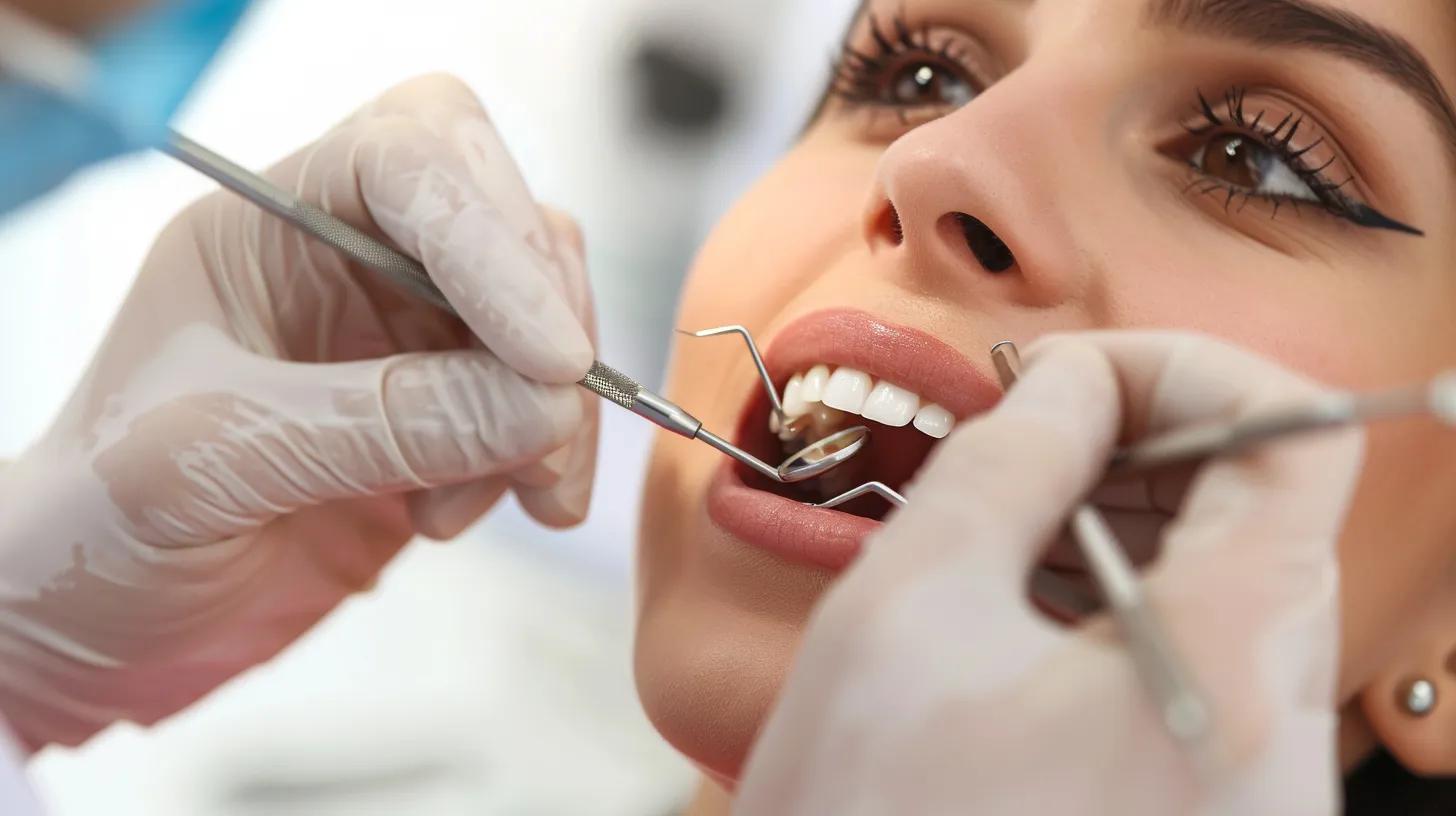
Coronal Polishing Techniques for Aspiring Dental Assistants
Coronal Polishing Techniques for Aspiring Dental Assistants: Essential Skills and Certification Preparation
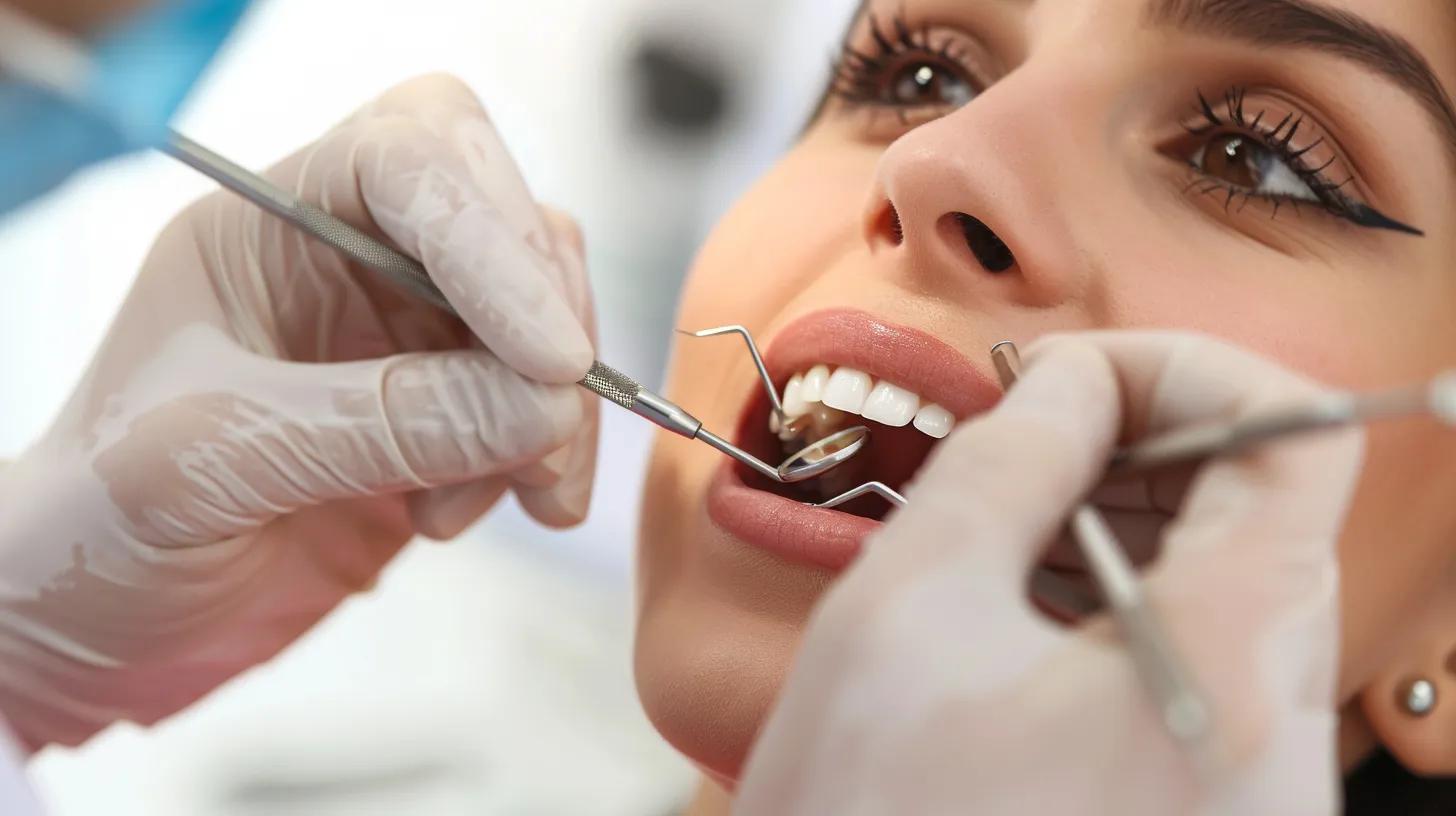
Coronal polishing is a vital skill for dental assistants, enhancing both patient care and professional development. This article delves into essential coronal polishing techniques, the instruments used, and how aspiring dental assistants can prepare for certification. Many dental assistants face challenges in mastering these techniques, which can impact their confidence and effectiveness in clinical settings. By understanding the core concepts and practical applications of coronal polishing, dental assistants can significantly improve their skill set. This guide will cover key polishing techniques, the necessary instruments and materials, preparation for certification, and safety protocols to follow during procedures.
What Are the Key Coronal Polishing Techniques Every Dental Assistant Should Know?
Coronal polishing techniques are essential for maintaining oral health and enhancing the aesthetic appearance of teeth. These techniques involve the use of specialized instruments and materials to remove plaque, stains, and debris from the tooth surface. Effective coronal polishing not only improves the patient's smile but also contributes to overall dental hygiene.
Step-by-Step Guide to Effective Dental Polishing Procedures
To perform effective dental polishing, follow these steps:
- Preparation: Gather all necessary instruments, including a slow-speed handpiece and polishing paste.
- Patient Comfort: Ensure the patient is comfortable and informed about the procedure.
- Technique: Use a light touch with the slow-speed handpiece, applying the polishing paste evenly across the tooth surface.
- Rinsing: After polishing, rinse the patient's mouth thoroughly to remove any residual paste.
These steps are crucial for achieving optimal results while ensuring patient comfort and safety.
Common Polishing Methods and Their Clinical Applications
Several polishing methods are commonly used in dental practices, each with specific clinical applications:
- Coronal Polishing: This method is primarily used to remove extrinsic stains and plaque from the tooth surface.
- Selective Polishing: Focuses on specific areas of the mouth, particularly where stains are more prevalent.
- Fluoride Application: Often combined with polishing to enhance enamel strength and help prevent decay.
Understanding these methods allows dental assistants to tailor their approach based on individual patient needs.
Further insights into the advantages and techniques of selective polishing highlight its importance in modern dental hygiene practices.
Selective Polishing: Techniques, Benefits, and Ergonomics
The approach to polishing teeth has evolved significantly since the ancient Roman and Greek eras. Generalized polishing has long been a standard practice, so much so that many patients believe polishing isthecleaning! Thankfully, the concept of selective polishing is gaining recognition for its numerous benefits. This article explores the advantages of selective polishing, including the rarely considered ergonomic benefits, restoration preservation, alternative methods for stain and biofilm removal, as well as verbiage to begin a conversation for selective polishing that leaves patients with all their enamel, and happy with thatsmoothfeeling they expect after a dental hygiene visit.
Selective polishing: A new era in dental hygiene When it comes to polishing, one size does not fit all. Katrina Klein has recommendations to improve the …
Which Polishing Instruments and Materials Are Used in Coronal Polishing?
The effectiveness of coronal polishing largely depends on the instruments and materials used. Familiarity with these tools is essential for aspiring dental assistants.
Overview of Essential Polishing Instruments for Dental Assistants
Key instruments used in coronal polishing include:
- Slow-Speed Handpiece: This tool is essential for controlled polishing and is used with various attachments.
- Prophy Cup: A rubber cup that holds polishing paste and is attached to the handpiece for effective stain removal.
- Prophy Brush (Occlusal Polishing Brush): Used for polishing occlusal surfaces and sometimes interproximal areas.
Each instrument plays a critical role in ensuring a thorough and effective polishing procedure.
Types of Dental Polishing Pastes and Their Uses
Dental polishing pastes come in various formulations, each designed for specific applications:
- Fine Grit Paste: Ideal for polishing enamel surfaces without causing damage.
- Coarse Grit Paste: Used for removing heavy stains and debris but should be used cautiously to avoid enamel abrasion.
- Fluoride-Infused Paste: Provides additional protection against cavities while polishing.
Selecting the appropriate paste is crucial for achieving the desired results while maintaining tooth integrity.
While traditional methods using rubber cups and prophylaxis paste are common, it's important to consider the evolution of polishing techniques and their impact on tooth structure.
Air Polishing: Modern vs. Traditional Tooth Polishing
Routine tooth polishing continues to be an integral part of clinical practice even though the concept of selective polishing was introduced in the 1980s. This procedure assists in the removal of stains and plaque biofilm and provides a method for applying various medicaments to the teeth, such as desensitizing agents. Use of traditional polishing methods, i.e. a rubber–cup with prophylaxis paste, has been shown to remove the fluoride–rich outer layer of the enamel and cause significant loss of cementum and dentin over time. With the growing body of evidence to support alternative tooth polishing methods, dental hygiene practitioners should familiarize themselves with contemporary methods including air polishing. The purpose of this review is to provide a comprehensive overview of recent advancements in air polishing.
Air polishing: a review of current literature, 2013
How Can Aspiring Dental Assistants Prepare for Coronal Polishing Certification?
Preparing for coronal polishing certification involves understanding the requirements and enrolling in appropriate training programs. This preparation is essential for building confidence and competence in the field.
Hands-On Dental Polishing Courses: What to Expect and How to Enroll
Aspiring dental assistants should consider enrolling in hands-on dental polishing courses. These courses typically cover:
- Course Content: Instruction on polishing techniques, instrument handling, and patient management.
- Enrollment Process: Interested candidates can usually enroll online or through local dental education institutions.
- Eligibility Requirements: Most programs require a high school diploma or equivalent and may have age restrictions.
These courses provide valuable practical experience and knowledge necessary for certification.
Understanding Certification Requirements and Training Duration
Certification in coronal polishing often requires completion of a training program and passing an examination. Key aspects include:
- Experience Requirements: Some programs may require candidates to complete a certain number of hours in a clinical setting.
- Training Duration: Most programs last between a few days to several weeks, depending on the institution and course structure.
- Certification Specifics: Upon successful completion, candidates receive a certification or credential that enhances their employability and professional credibility.
Understanding these requirements is vital for aspiring dental assistants to navigate their career path effectively.
What Safety Protocols and Best Practices Should Be Followed During Coronal Polishing?
Safety is paramount in dental procedures, including coronal polishing. Adhering to established protocols ensures the well-being of both patients and dental professionals.
Infection Control and Patient Safety Guidelines for Dental Polishing
Infection control measures are critical during coronal polishing. Key guidelines include:
- Personal Protective Equipment (PPE): Dental assistants should wear gloves, masks, and protective eyewear to minimize exposure to contaminants.
- Sterilization of Instruments: All instruments that can be sterilized must be properly sterilized before use to prevent cross-contamination. Disposable prophy cups and brushes should be discarded after single use.
- Patient Safety Measures: Ensure that patients are informed about the procedure and comfortable throughout the process.
Following these guidelines helps maintain a safe clinical environment.
Common Precautions to Prevent Instrument Damage and Patient Discomfort
To prevent damage to instruments and ensure patient comfort, dental assistants should:
- Handle Instruments Carefully: Avoid dropping or mishandling instruments to maintain their integrity.
- Monitor Patient Comfort: Regularly check in with patients during the procedure to address any discomfort or concerns.
- Use Appropriate Techniques: Employ gentle polishing techniques to minimize the risk of enamel abrasion and patient discomfort.
Implementing these precautions is essential for successful coronal polishing procedures.
