How to Get Hired as a Dental Assistant With No Experience
Getting hired as a dental assistant with no experience is more realistic than most people think. Dental offices hire entry-level candidates all the time. The key is knowing what they're actually looking for and positioning yourself the right way before you apply.
Here's a practical breakdown of how to do it.
Why Dental Offices Are Open to Hiring Without Experience
Dental assisting is a hands-on role, and most of the job is learned by doing it. A lot of dentists know this, which is why they don't always require years of experience on a resume. What they care more about is whether you're reliable, easy to train, and genuinely interested in the work.
That said, there's a difference between having no experience and showing up with nothing. The candidates who get hired without a background in dental are the ones who come prepared in other ways.
What Dental Offices Actually Look for in Entry-Level Candidates
Before you update your resume, it helps to understand what a hiring dentist or office manager is thinking when they look at an application from someone with no dental background.
They're asking a few basic questions: Can this person follow instructions? Will they show up on time? Are they comfortable working with patients? Do they have any relevant certifications, or are they willing to get them?
The practical things that matter most for entry-level candidates are:
Completed training program. Candidates who come in with formal training stand out immediately. Completing a dental assistant program before applying tells a dentist you've already learned the basics, you're serious about the field, and you won't need weeks of hand-holding before you're useful. It's one of the most effective things you can do when you have no prior experience.
Customer service or healthcare background. If you've worked in any role that involved working directly with people, whether that's retail, a medical office, a clinic, or even a school, that translates. Communication skills and staying calm under pressure matter a lot in a dental office.
Attention to detail. Dental work requires precision. Anything on your resume or in an interview that shows you work carefully and take accuracy seriously is a plus.
Reliability. This sounds basic, but dental offices run on tight schedules. Showing up on time and being consistent is more valuable than people realize.
How to Stand Out When You Have No Experience
Here's what actually moves the needle for entry-level applicants.
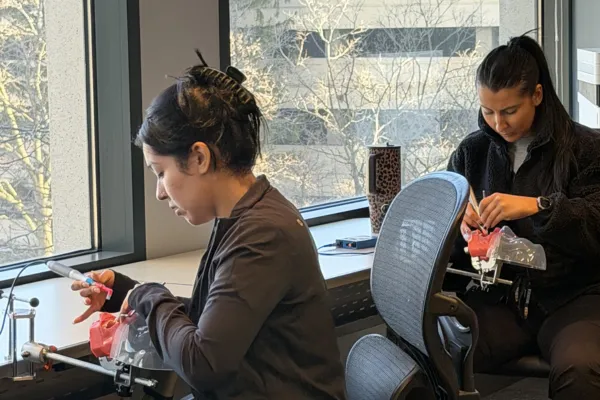
Complete a training program before applying. This is the single most effective thing you can do. At Dental AssistEd, our 8-week Become a Dental Assistant Program is built for people starting from zero. You'll come out with real hands-on training and the foundational skills dental offices are looking for, which puts you well ahead of other applicants who show up with nothing.
Be specific about why you want to work in dental. Generic cover letters and interview answers get ignored. If you can tell a dentist why you're interested in this specific field, whether it's because you like working with people, you're interested in healthcare, or you want a stable career with room to grow, that specificity stands out.
Apply to smaller or newer practices. Large established practices with lots of applicants are harder to break into without experience. Smaller dental offices and newer practices are more likely to take a chance on someone they can train from the ground up.
Offer to shadow or observe. Some candidates reach out to local dental offices and ask if they can shadow for a day or two before applying. Not every office will say yes, but the ones that do will remember you when you formally apply. It also gives you something real to talk about in an interview.
Be upfront about where you are. Trying to hide the fact that you're new to the field usually backfires. Dentists can tell. Being honest about your background and showing genuine enthusiasm for learning tends to go further than overselling yourself.
Transferable Skills to Put on Your Resume
One thing that trips up entry-level applicants is thinking they have nothing relevant to list. You likely have more than you think. Dental offices care about the same core skills as any patient-facing healthcare role.
Here are skills from other jobs that translate directly to dental assisting:
Patient or customer interaction. If you've worked in retail, food service, a front desk, or any role where you dealt with people regularly, that counts. Dental assistants work closely with patients who are often nervous, and the ability to put people at ease is something offices look for.
Medical or clinical exposure. Any experience in a medical office, hospital, pharmacy, or clinic, even as a receptionist or administrative assistant, shows familiarity with a healthcare environment.
Attention to detail. This can come from almost any job. Roles in data entry, inventory, food prep, manufacturing, or administrative work all require careful, accurate work, which is exactly what dental assisting demands.
Infection control awareness. If you've worked anywhere with health and safety protocols, whether in food service, a medical office, or a lab, you've already practiced the mindset that infection control requires.
Following multi-step procedures. Dental procedures follow specific sequences. Any job where you had to follow protocols, checklists, or step-by-step processes is relevant experience worth mentioning.
When you list these on your resume, be specific rather than vague. Instead of "good with people," write "assisted 30+ customers daily in a fast-paced retail environment." Specifics make a difference.
The Fastest Way to Come In Fully Prepared
If you want to skip the guessing game and enter the job market as a fully trained dental assistant, the 8-Week Become a Dental Assistant Program at Dental AssistEd is the most direct path.
In 8 weeks you'll cover everything you need to work chairside and start contributing from day one. Instead of applying with zero background and hoping a dentist will train you, you come in already knowing what you're doing.
Learn more about the program here.
Illinois Residents: You May Be Able to Train for Free
If you're in Illinois and cost has been the thing holding you back from getting started, this is worth knowing about.
The Workforce Innovation and Opportunity Act (WIOA) is a state-funded grant program that covers tuition for people entering in-demand careers. Dental assisting qualifies, which means eligible Illinois residents can complete the 8-Week Become a Dental Assistant Program at Dental AssistEd and pay $0 in tuition.
WIOA is not a loan. You don't pay it back.
Eligibility is based on factors like employment status, income, and career goals. Not everyone qualifies, but many people are surprised to find out they do. We walk students through the process so you're not trying to navigate it on your own.
If you want to find out whether you qualify, reach out to us here and we'll help you figure it out.
What to Say in the Interview
If you get an interview for a dental assistant position with no experience, here are a few things that land well:
Be honest about your starting point but lead with what you've done to prepare. If you completed a certification course, mention it early. If you've shadowed or done any research into the field, bring it up.
Show that you understand the role isn't just about technical skills. Dental assistants work closely with patients who are often nervous or uncomfortable. Demonstrating that you're calm, friendly, and patient-focused goes a long way.
Ask good questions. Asking about training, how the team works together, and what the first 90 days would look like shows that you're thinking seriously about the job, not just trying to get hired anywhere.
The Bottom Line
Getting hired as a dental assistant with no experience comes down to preparation and presentation. You don't need years on your resume, but you do need to show that you've taken the field seriously enough to do something before applying.
A certification course, a clear reason for wanting to work in dental, and a straightforward honest approach in your interview will take you further than most people expect.
If you're in the Chicago area and ready to get started, explore our courses at Dental AssistEd or check out the full 8-week program. We'll help you figure out the right starting point.
Frequently Asked Questions
Can I become a dental assistant with no experience at all?
Yes. Dental offices hire entry-level candidates regularly. The key is showing up prepared. Completing a training program before you apply, even an 8-week course, puts you ahead of most candidates who apply with no background and no preparation.
Do I need a degree to become a dental assistant?
No. Dental assisting does not require a college degree. Most dental assistants complete a certificate or training program that takes weeks or months, not years. In Illinois, there is no state license required to work as a dental assistant, though completing a hands-on training program and earning additional certifications like coronal polishing significantly increases your chances of getting hired.
How long does it take to become a dental assistant?
It depends on the path. A formal training program like the 8-Week Become a Dental Assistant Program at Dental AssistEd takes 8 weeks. From there, many graduates are working in a dental office within a few months of finishing. You do not need to spend years in school to enter this field.
Do dental offices train their own assistants?
Some do, especially smaller practices. But offices that train from scratch want candidates who show real initiative and will be easy to bring up to speed. Coming in with formal training, even basic foundational training, gives you a significant advantage over candidates who expect the office to teach them everything from day one.
How much do dental assistants make in Illinois?
According to the Bureau of Labor Statistics, dental assistants in Illinois earn a median wage of around $21 to $24 per hour depending on experience, certifications, and location. Dental assistants who hold additional certifications like coronal polishing or EFDA typically earn more. As with most healthcare roles, your earning potential increases as you add skills.
What is the fastest way to get a dental assistant job with no experience?
Complete a training program first. It is the single most effective step you can take. At Dental AssistEd, the 8-Week Become a Dental Assistant Program was built specifically for people starting from zero. You finish with hands-on training, foundational skills, and a credential that tells hiring dentists you are serious about the field. Illinois residents may also qualify for WIOA funding and pay nothing out of pocket.
