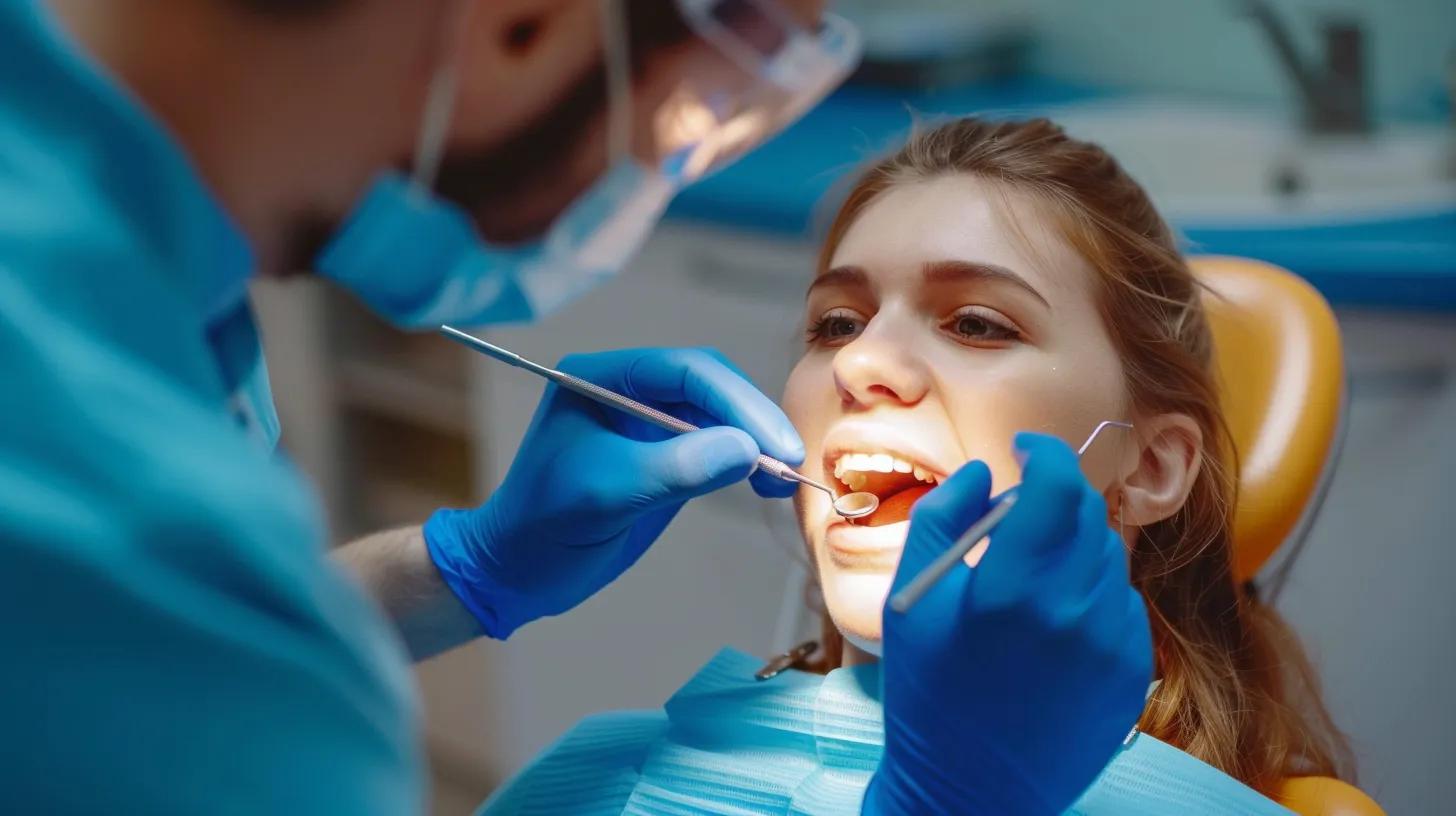
Master Coronal Polishing Techniques for Dental Assistants
Master Coronal Polishing Techniques for Dental Assistants: Essential Skills and Certification
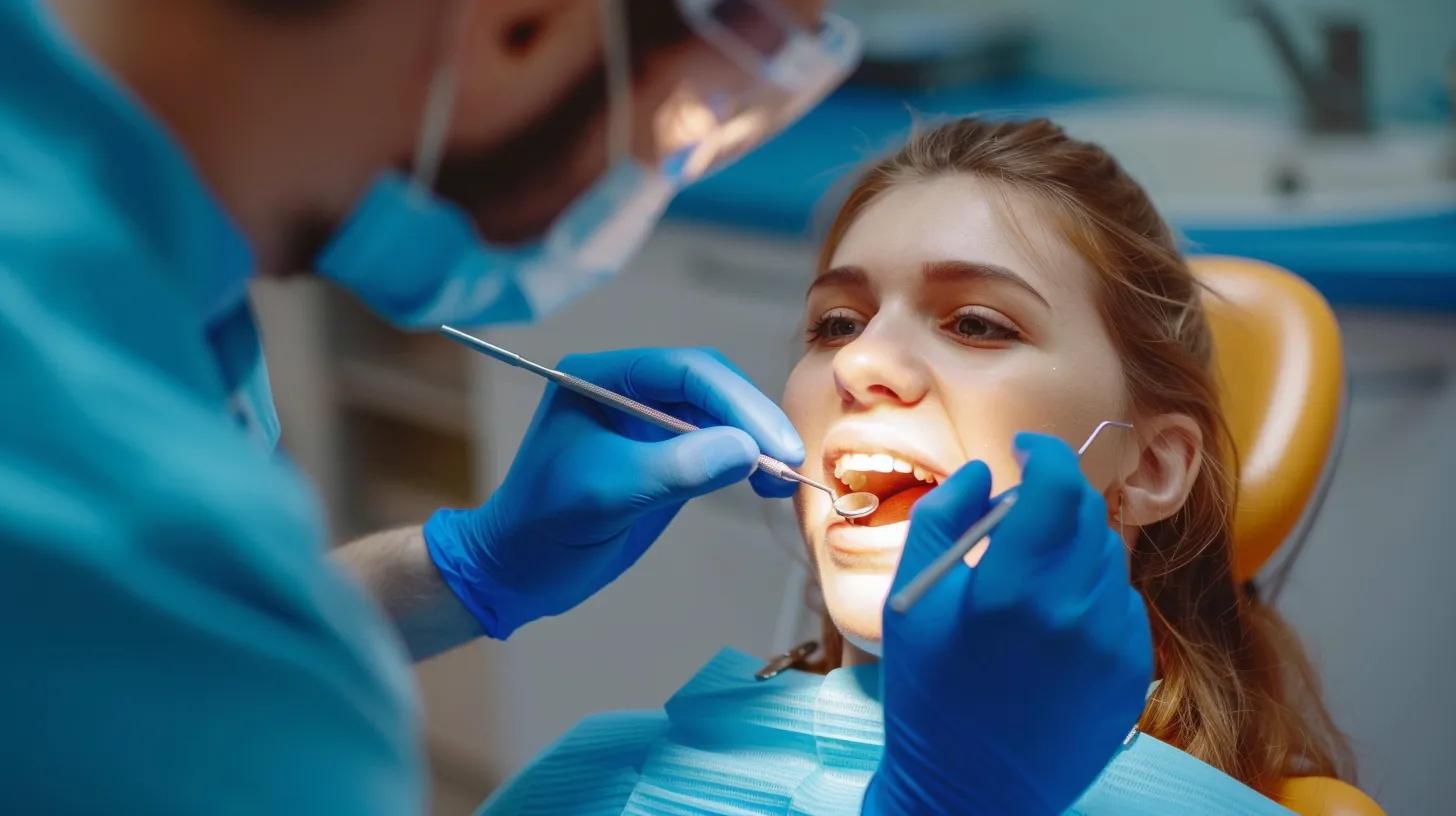
Coronal polishing is a specialized procedure performed by trained dental assistants to remove extrinsic stains and surface debris from the clinical crowns of teeth. It improves the appearance of teeth and supports overall oral hygiene. This procedure must only be performed after calculus has been removed and with authorization from the dentist. Dental assistants must understand proper technique, appropriate polishing agents, safety protocols, and infection control measures to perform coronal polishing safely and effectively. Mastery of this skill supports preventive care and contributes to professional development and certification opportunities.
What Are the Key Steps in the Coronal Polishing Procedure?
The coronal polishing procedure involves several critical steps to ensure effective and safe treatment.
Preparation: Gather the necessary armamentarium, including a slow-speed handpiece, prophy angle, prophy cup or brush, polishing paste, saliva ejector, and appropriate personal protective equipment (PPE).
Review Medical History: Evaluate the patient’s medical and dental history for contraindications such as respiratory conditions, communicable diseases, or enamel defects.
Dentist Authorization: Ensure the dentist has examined the patient and confirmed that calculus deposits have been removed. Coronal polishing must only be performed on teeth free of calculus.
Patient Positioning: Position the patient comfortably to allow proper visibility and access to all tooth surfaces.
Application: Apply a small amount of polishing paste to the prophy cup. Operate the slow-speed handpiece using light, intermittent pressure while polishing the tooth surfaces systematically.
Polishing Technique: Use controlled strokes and avoid excessive pressure or prolonged polishing in one area to prevent damage to enamel or soft tissue.
Rinsing and Suction: Rinse thoroughly and use suction to remove polishing paste and debris.
Evaluation and Post-Procedure Care: Evaluate the teeth for remaining debris and ensure patient comfort. Provide appropriate post-procedure instructions.
These steps help ensure safe, effective polishing while maintaining patient comfort and enamel integrity.
How Do Dental Assistants Perform Each Polishing Step Safely?
Dental assistants must follow strict safety protocols during coronal polishing.
Personal Protective Equipment (PPE): Wear gloves, masks, protective eyewear, and appropriate clinical attire to prevent exposure to contaminants.
Proper Instrument Handling: Ensure all reusable instruments are cleaned, disinfected, and sterilized according to CDC and OSHA standards.
Use of Correct Speed and Pressure: Always use low speed and light, intermittent pressure to prevent enamel damage and patient discomfort.
Patient Communication: Inform patients about the procedure and what sensations to expect to reduce anxiety and improve cooperation.
Following these protocols helps minimize risks and ensures safe clinical practice.
Which Polishing Agents Are Most Effective and Safe for Teeth?
Selecting the appropriate polishing agent is important for both safety and effectiveness.
Fluoride-containing pastes help polish teeth while providing additional protection against dental caries and strengthening enamel.
Abrasive pastes are effective for removing extrinsic stains and surface debris. They must be used carefully to avoid excessive enamel removal.
Minimally abrasive pastes are gentler on enamel and are preferred for patients with sensitive teeth, exposed dentin, or increased risk of enamel wear.
Choosing the correct polishing agent helps preserve tooth structure while achieving optimal cleaning results.
Which Polishing Agents and Materials Should Dental Assistants Use?
Dental assistants should be familiar with various polishing agents and materials to ensure optimal results during coronal polishing. The choice of materials can significantly impact the effectiveness and safety of the procedure.
What Are the Differences Between Common Polishing Agents?
Different polishing agents have unique properties that affect their performance. Here’s a comparison of some common agents:
Polishing AgentEffectivenessSafetyFluoride PasteModerate - helps protect enamel and reduce sensitivitySafe for most patientsAbrasive PasteHigh - removes stains and plaque effectivelyCan be harsh on enamel if overusedMinimally Abrasive PasteModerate - gentle on enamelVery safe for sensitive teeth
Understanding these differences helps dental assistants select the best agent for each patient’s needs.
How Do Minimally Abrasive Agents Protect Dental Hygiene?
Minimally abrasive polishing agents clean teeth while preserving enamel integrity. They remove surface debris and stains without causing unnecessary enamel wear. These agents are ideal for patients with sensitive teeth, enamel defects, or exposed dentin. Their use helps maintain oral health while minimizing the risk of enamel damage.
How Can Dental Assistants Ensure Safety and Infection Control During Polishing?
Infection control and safety are essential during coronal polishing.
Dental assistants must follow OSHA and CDC infection control guidelines to maintain a safe clinical environment.
All reusable instruments must be properly cleaned, disinfected, and sterilized between patients.
Disposable barriers and single-use items should be used whenever appropriate to prevent cross-contamination.
Proper hand hygiene must be performed before and after every patient interaction.
These measures protect both patients and dental professionals.
What Are the Updated Safety Protocols for Coronal Polishing?
Coronal polishing should not be performed in certain situations.
These include the presence of untreated calculus, demineralized or hypocalcified enamel, newly erupted teeth, exposed dentin or cementum, respiratory conditions such as asthma or COPD, communicable diseases, and severe gingival inflammation.
Dental assistants must always consult the dentist if any contraindications are present.
How Do Proper Tool Handling and Sterilization Prevent Infection?
Proper handling and sterilization of dental tools are critical in preventing infections. Key practices include:
Sterilization of Instruments: All reusable tools must be thoroughly sterilized before use to eliminate any pathogens.
Regular Maintenance: Ensuring that equipment is in good working order to prevent accidents and contamination.
Training on Handling Techniques: Dental assistants should be trained in the correct methods for handling and cleaning tools to minimize risks.
By implementing these practices, dental assistants can significantly reduce the risk of infection during coronal polishing.
What Are the Benefits and Requirements of Dental Assistant Polishing Certification?
Obtaining certification in coronal polishing enhances a dental assistant’s clinical skills and career opportunities.
Certification increases job opportunities, as many employers prefer dental assistants trained in expanded clinical functions.
It may also increase earning potential due to specialized skills and expanded clinical responsibilities.
Certification demonstrates professional competence and commitment to patient care.
How Does Certification Enhance Career Advancement?
Certification in coronal polishing can lead to several career advancements, including:
Increased Job Opportunities: Many employers prefer certified candidates for dental assistant positions.
Higher Earning Potential: Certified dental assistants often command higher salaries due to their specialized skills.
Professional Recognition: Certification demonstrates a commitment to the profession and enhances credibility with patients and employers.
These benefits make pursuing certification a valuable investment in a dental assistant's career.
What Are the Steps to Enroll in a Coronal Polishing Certification Course?
Research state-approved dental assisting programs that offer coronal polishing training.
Ensure you meet eligibility requirements, which may include dental assisting education and supervision by a licensed dentist.
Complete both theoretical and clinical training components.
Successfully complete any required competency evaluations or examinations.
Certification requirements vary by state, and dental assistants must follow their state dental board regulations.
