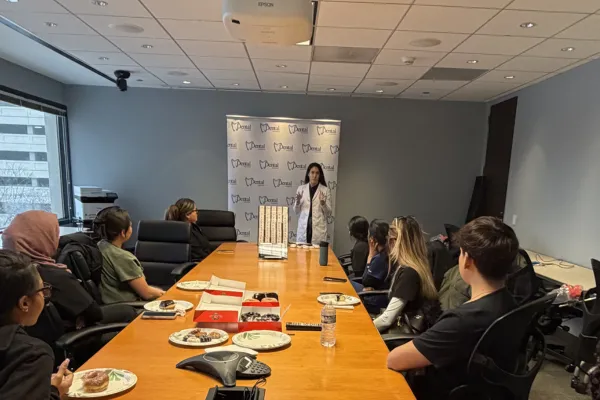
Dental Assistant Programs in Chicago: How to Choose the Right One
If you're searching for dental assistant programs in Chicago, you've probably noticed there are quite a few options out there — and not all of them are created equal. Some are accredited, some aren't. Some take two years, others a few weeks. Some prepare you to actually advance your career in Illinois, and some just hand you a certificate that doesn't mean much to employers.
This guide breaks down exactly what to look for so you can make a confident decision — and actually get hired or promoted when you're done.
What Kind of Program Do You Actually Need?
Before comparing schools, it helps to know what stage you're at:
If you're brand new to dentistry and have no clinical experience, you'll want an entry-level dental assistant training program. These typically cover the basics: chairside assisting, infection control, taking X-rays, dental terminology, and patient communication. A good entry-level program should get you job-ready in 8-12 weeks.
If you're already working as a dental assistant and want to earn more or take on more responsibilities, you need a continuing education or expanded functions program. In Illinois, this means getting certified in things like coronal polishing, pit and fissure sealants, or becoming an Expanded Function Dental Assistant (EFDA). These certifications are regulated by the Illinois Department of Financial and Professional Regulation (IDFPR) and require state-approved training.
Knowing which category you fall into will immediately narrow down your options.
5 Things to Look for in a Chicago Dental Assistant Program
1. State Approval (This One is Non-Negotiable)
In Illinois, certain dental assistant procedures require certification from a state-approved program. If you complete a coronal polishing or EFDA course from a school that isn't approved by IDFPR, that certification is not valid - period.
Always confirm that the program is specifically approved by IDFPR before enrolling. Ask the school directly and verify on the IDFPR website if needed.
2. Hands-On Training
Dentistry is a hands-on profession. A program that is 100% online is fine for the theory portion, but you need actual clinical practice - working on mannequins, typodont models, or real patients under supervision - to develop the skills employers expect.
Ask any school you're considering: how much of the training is hands-on? Where does the clinical portion take place? Who supervises it?
3. Program Length and Schedule
Most working dental assistants can't just stop working for a year to go back to school. Look for programs that are designed around your schedule - weekend courses, evening options, or intensive formats that compress the training into a few days rather than months.
For continuing education certifications in Illinois, many state-approved courses are intentionally short and intensive. For example, coronal polishing and sealant certifications can typically be completed in a single day or weekend.
4. What's Included in the Price
Some programs advertise a low price but charge extra for materials, mannequins, study guides, or the certification exam. Before you enroll, ask what's included and what isn't. A slightly higher upfront price that covers everything is usually better than a lower price with a long list of add-ons.
5. Job Placement or Career Support
Some programs have relationships with dental offices and actively help place graduates. Others hand you a certificate and wish you luck. If you're new to the field, career support can make a real difference in how quickly you land your first role.
Entry-Level vs. Certification Programs: What's the Difference?
This is one of the most common points of confusion for people searching for dental assistant programs near me.
Entry-level programs (like an 8-week dental assistant course) teach you the foundational skills to get hired as a dental assistant. You'll learn chairside assisting, infection control, X-ray techniques, dental materials, and patient communication. These programs are great if you have zero clinical experience and want to get into the field quickly.
Certification programs are for dental assistants who are already working and want to perform additional clinical procedures. In Illinois, procedures like coronal polishing, sealant placement, and restorative functions require a separate state-approved certification - even if you've been a dental assistant for years.
Both types of programs have real value. They just serve different goals.
What Dental Assistant Programs Does Dental AssistEd Offer in Chicago?
Dental AssistEd is a state-approved dental assistant training school located at 8755 West Higgins Rd in Chicago (with a second location in River Forest). All certification courses are IDFPR-approved and designed around the schedules of working dental professionals.
Entry-Level:
8-Week Dental Assistant Program - A comprehensive introduction to dental assisting covering all the core skills needed to get hired at a dental office.
Illinois Certification Courses:
Coronal Polishing Course - IDFPR-approved. Requires 1,000 hours (approx. 6 months) of work experience under a licensed dentist.
Pit and Fissure Sealant Course - IDFPR-approved sealant placement certification.
Coronal Polishing and Sealants (Combined) - Both certifications in one course.
EFDA Restorative Course - The highest expanded function certification for Illinois dental assistants. 16 hours online + 4-day hands-on training. $3,700. Offered monthly.
Courses are offered on a regular schedule so you don't have to wait months for a seat.
How to Choose: A Simple Decision Framework
Here's a quick way to figure out what you need:
No dental experience yet? - Start with the 8-Week Dental Assistant Program.
Already working as a dental assistant with 6+ months of experience? - Get your Coronal Polishing and Sealant certifications. Most offices expect their assistants to have these.
Have your coronal polishing and sealant certs and want to do more? - The EFDA Restorative Course is your next step. It's the most in-demand expanded function certification in Illinois and comes with a significant salary bump.
Working in Indiana? - Eligibility requirements differ. Indiana requires 2,000 hours (approx. 1 year) of work experience for coronal polishing, and courses include fluoride application. Check out the Indiana courses at Dental AssistEd.
Bottom Line
Choosing a dental assistant program in Chicago comes down to three things: making sure it's state-approved, making sure it includes real hands-on training, and making sure it fits your current experience level and career goals.
If you're already working in a dental office and want to advance, Dental AssistEd's IDFPR-approved certification courses are designed specifically for you - no long waits, no unnecessary coursework, just the training you need to take on more and earn more.
