What Is Coronal Scaling for Dental Assistants in Illinois?
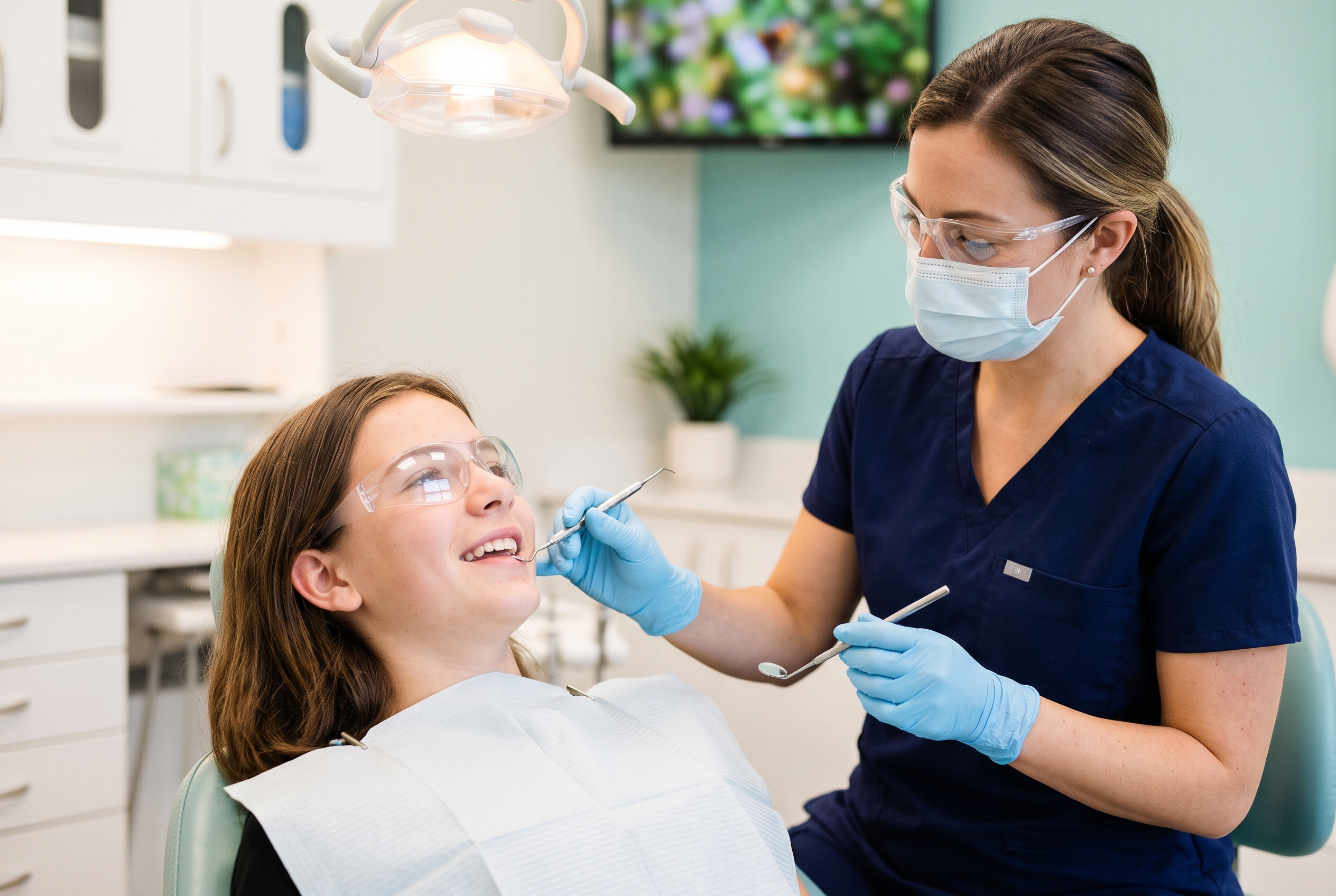
Coronal scaling is the removal of hardened plaque, called calculus or tartar, from the crowns of the teeth above the gum line, using hand instruments. In Illinois, a dental assistant can perform it after logging at least 2,000 hours of clinical experience, completing a coronal polishing course, and taking a coronal scaling certification course. There's an important catch, though: Illinois only allows dental assistants to scale certain patients: children and teens who are on Medicaid, uninsured, or from lower-income households. Here's what coronal scaling involves, who it's for, who can do it, and how the training works.
What Coronal Scaling Is (and What It Isn't)
Under the Illinois Dental Practice Act (225 ILCS 25/17), a qualified dental assistant may perform coronal scaling "above the gum line, supragingivally, on the clinical crown of the tooth only," using hand instruments only.
That makes it different from two procedures it's often confused with:
Coronal polishing smooths the tooth surface and removes soft plaque and stains with a rubber cup or brush. Scaling goes a step further by removing hardened calculus.
Deep cleaning below the gum line stays with dentists and hygienists. A dental assistant's scaling is limited to the visible crown of the tooth.
Who Coronal Scaling Is For: The Patient Limits
This is the part most assistants don't know. Illinois limits dental assistant coronal scaling to patients who are:
17 years of age or younger
Free of periodontal disease
Not medically compromised and not individuals with special needs
Eligible for Medicaid, uninsured, or from a household with income no greater than 300 percent of the federal poverty level
In practice, that makes coronal scaling most relevant in pediatric offices, community health centers, and practices that see a lot of young Medicaid patients. If your office mainly treats adults or patients with private insurance, you may have fewer opportunities to use it.
Who Can Perform Coronal Scaling: The Requirements
Coronal scaling is an expanded function, so it builds on experience you already have. Under the Act, a dental assistant needs:
At least 2,000 hours of direct clinical patient care experience
A completed, approved coronal polishing course before taking the coronal scaling course
After completing the coronal scaling course, the supervising dentist must observe and approve 6 full-mouth supragingival scaling procedures, unless the assistant was trained through a CODA-approved dental assistant program. The certificate of completion is kept on file at the dental office.
How Supervision Works
Coronal scaling is always performed under a dentist's supervision and full responsibility. The dentist authorizes the procedure, stays in the dental facility while it's performed, and approves the work before the patient leaves.
There's also a limit on how many assistants can scale at once. A dentist can supervise no more than 2 dental assistants performing coronal scaling at any one time, within a combined limit of 4 assistants or hygienists performing expanded functions.
Where Coronal Scaling Fits in Your Career Path
Illinois expanded functions build on each other, and the experience requirements step up as the scope grows:
Coronal polishing: usually the first step, and required before coronal scaling
Coronal scaling: at least 2,000 hours of clinical experience
EFDA restorative: at least 4,000 hours, for placing and finishing fillings
If you haven't taken coronal polishing yet, the Illinois Coronal Polishing and Sealant Placement course covers both in one. For a full overview of your options, see what expanded functions Illinois dental assistants can add.
What the Coronal Scaling Course Involves
Dental AssistEd's Illinois Coronal Scaling Certification Course is approved by the Illinois Department of Financial and Professional Regulation (IDFPR) and is open to Illinois dental assistants.
Format: online didactic training followed by 3 full days of hands-on instruction (9 AM to 5 PM) at our Chicago training center, for a minimum of 32 hours of instruction
Topics: coronal scaling theory and techniques, hand instruments for supragingival scaling, periodontal anatomy, infection control and OSHA guidelines, ethics, jurisprudence, and patient management
Hands-on practice: manikin and/or human subject instruction, a competency assessment exam, and 6 full-mouth coronal scaling procedures completed under supervision
Cost: $2,700 per student, covering the online training and all 3 hands-on days
Like the EFDA course, coronal scaling is a certification course, not a continuing education course. Dental offices can also enroll multiple assistants through team enrollment.
The Bottom Line
Coronal scaling lets Illinois dental assistants remove calculus from the crowns of the teeth above the gum line, using hand instruments only, for patients 17 or younger who are free of periodontal disease, not medically compromised, and on Medicaid, uninsured, or at or below 300 percent of the federal poverty level. To qualify, you need at least 2,000 hours of clinical experience and a completed coronal polishing course. After the coronal scaling course, your supervising dentist observes and approves 6 full-mouth procedures.
For assistants in pediatric and community practices, it's a valuable way to take on more of the preventive care your office provides. Explore the Illinois Coronal Scaling Certification Course or contact us to check whether you qualify.
